Canyon Finch Pest Control logoCanyon Finch Pest Control
Fast, upfront pest control service in San Diego, CA, free quote in minutes

Pest Control Service San Diego

Pest control service San Diego homeowners count on must successfully reconcile dense coastal suburban developments with the predatory realities of native chaparral canyon ecosystems. When roof rats scamper through ceiling joists over master bedrooms at two in the morning, or drywood termite alates drop severed wings across canyon-facing window benches, surface-level chemical applications consistently fail to provide enduring relief.
Get your free pest control service quote, San Diego

We only use your ZIP to check availability, no spam.

Drywood and Subterranean Termite MitigationRoof Rat and Rodent Structural ExclusionArgentine and Carpenter Ant Colony Eradication
Pest Control Service in San Diego, CA
Pest Control Servicein San Diego, CA

What is Pest Control Service in San Diego, CA?

Pest Control Service in San Diego is an architectural exclusion, structural barrier sealing, and targeted biological management system designed to eliminate invasive organisms and protect coastal and canyon-rim residential properties from structural re-entry.

Why San Diego homeowners choose Canyon Finch Pest Control

  • An initial diagnostic structural audit and targeted perimeter barrier application begins at the clear baseline minimum of $250, with full-scope structural rodent exclusion or localized termite remediation scaled to building footprint and attic architectural access.
  • Coastal canyons bordering areas like Mission Bay Park, Old Town San Diego State Historic Park, and Torrey Pines State Natural Reserve act as natural biological funnels, directing foraging roof rats, venomous spiders, and Argentine ant supercolonies straight toward foundation weep screeds.
  • Drywood termites fly in massive reproductive swarms during dry Santa Ana heat bursts between September and November, whereas subterranean termite alates emerge from saturated coastal soils following late-winter storm fronts between February and April.
  • Permanent structural rodent elimination mandates the removal of accessible harborages and mechanical sealing using 24-gauge galvanized hardware cloth and copper mesh, deliberately avoiding anticoagulant bait blocks that cause toxic secondary poisoning to native raptors and leave rotting carcasses inside enclosed drywall voids.
Drywood and Subterranean Termite Mitigation
Roof Rat and Rodent Structural Exclusion
Argentine and Carpenter Ant Colony Eradication
Our Expertise

Pest Control Service services in San Diego

Every service reflects the same meticulous attention to detail, whether it's a single job or a larger pest control service project across San Diego.
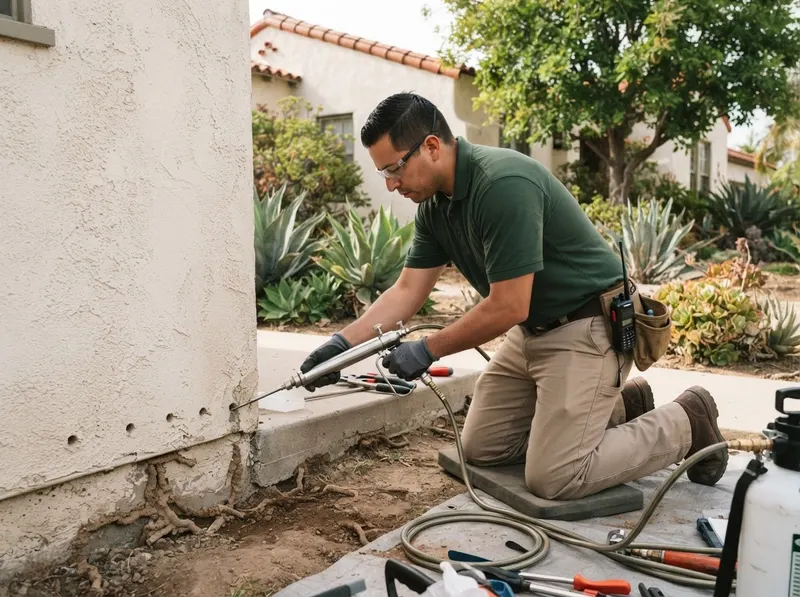
Drywood and Subterranean Termite Mitigation in San Diego, CA

Drywood and Subterranean Termite Mitigation

Drywood termites colonize exposed structural timbers, rafter tails, and fascia boards without requiring ground contact, extracting vital metabolic moisture directly from structural wood cellulose. Subterranean termites construct damp soil shelter tubes up concrete slab perimeters and foundation piers to transport moisture from saturated soils into floor framing. Mitigation protocols utilize deep-seated precision injections of non-repellent transfer termiticides directly into verified gallery cavities, combined with broad-spectrum borate applications that penetrate bare framing lumber to create a permanent digestive barrier. Detailed fiber-optic cavity scoping distinguishes between species before intervention, ensuring accurate chemical deployment while preserving hand-hewn craftsman beams and architectural finishes.

Get a quote →
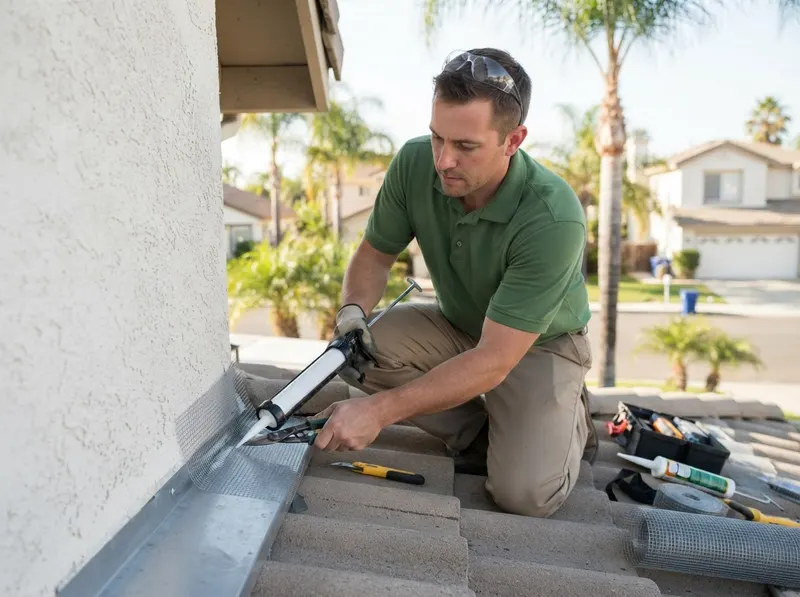
Roof Rat and Rodent Structural Exclusion in San Diego, CA

Roof Rat and Rodent Structural Exclusion

Roof rats, or Rattus rattus, exploit mature eucalyptus canopies, coastal palm fronds, and Spanish barrel-tile roof openings to establish concealed nesting zones in warm attic insulation and ceiling cavities. Exclusion mechanics replace frail insect screening with rugged 0.25-inch, 24-gauge hot-dipped galvanized hardware cloth across attic dormers, foundation vents, and gable louvers. Plumbing rough-in gaps, conduit raceways, and subfloor structural voids receive heavy-duty packing with knitted copper wire mesh and non-shrink elastomeric compounds that rodents cannot gnaw through. Contaminated, rodent-soiled fiberglass insulation is extracted under negative pressure, followed by whole-attic enzymatic sanitization to neutralize hazardous urine pheromone trails that draw transient outdoor rodents back into domestic living areas.

Get a quote →
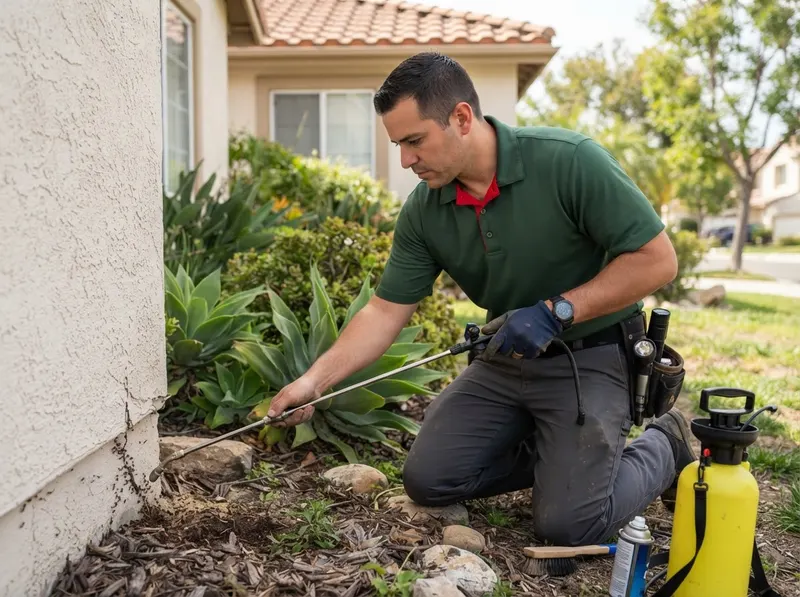
Argentine and Carpenter Ant Colony Eradication in San Diego, CA

Argentine and Carpenter Ant Colony Eradication

Argentine ant supercolonies thrive within the parched alkaline soils common across San Diego, launching aggressive perimeter invasions during summer heat waves when municipal landscape irrigation provides the sole source of moisture. Carpenter ants carve hollow structural nesting galleries inside damp or fungus-compromised subfloor framing, compromising structural wood strength. Eradication procedures bypass conventional repellent insecticides, which induce catastrophic reproductive budding into separate satellite queens, and deploy non-repellent, microencapsulated liquid bait compounds. Foraging scout ants ingest and track these systemic active ingredients back into deep subterranean brood chambers, sharing them via trophallaxis across multiple queens to completely collapse the colony's central reproductive engine.

Get a quote →
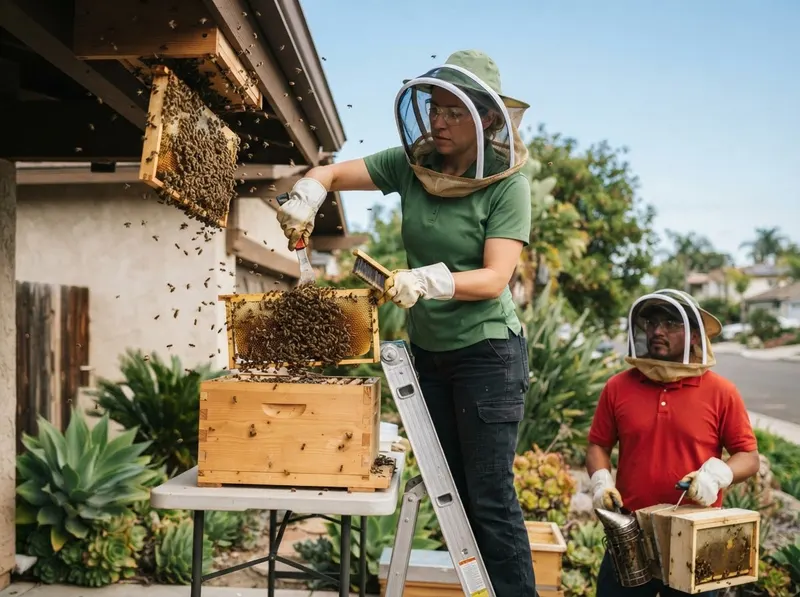
Humane Honeybee and Hive Relocation in San Diego, CA

Humane Honeybee and Hive Relocation

Feral honeybee colonies frequently build complex vertical combs within architectural hollows, including exterior chimney flues, stucco stud cavities, floor joist bays, and exterior irrigation enclosures. Specialized live removal vacuums harvest the entire living swarm and active queen under low-velocity negative pressure, safely transferring the biological colony to local agricultural apiaries for managed pollination. The structural void is subsequently opened to extract every pound of residual wax comb, brood cells, and raw honey stores, eliminating the threat of fermenting sugar melting down interior drywall walls and attracting secondary scavengers such as dermestid carpet beetles, wax moths, and black carpenter ants.

Get a quote →
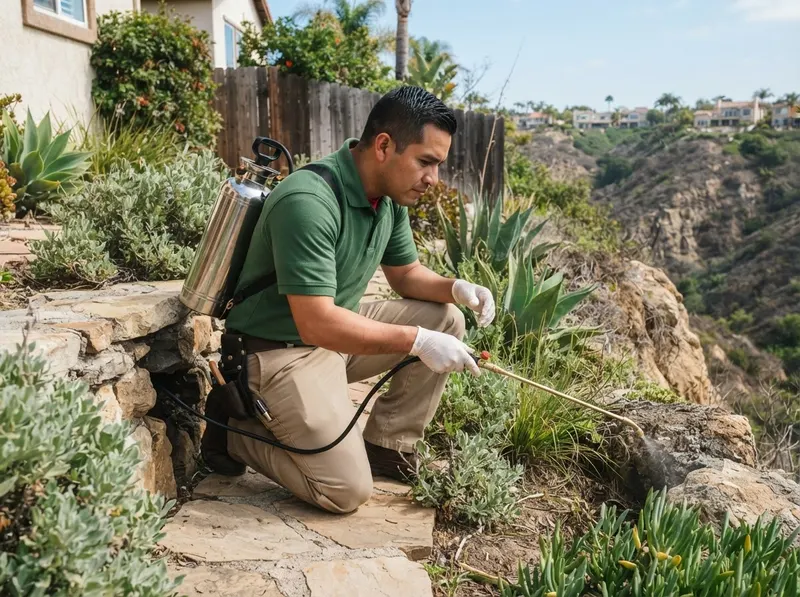
Canyon-Edge Spider and Venomous Arthropod Control in San Diego, CA

Canyon-Edge Spider and Venomous Arthropod Control

Western black widows and aggressive brown widows establish breeding strongholds around subterranean crawlspace access doors, utility meters, stone retaining walls, and beneath outdoor patio furniture bordering natural scrub reserves. Targeted eradication utilizes motorized telescopic sweeping poles to mechanically clear existing cobwebs and dense, spiky silk egg sacs, halting successive seasonal hatchings. Technicians then apply microcrystalline, botanical-derived barrier formulations directly into deep crack-and-crevice perimeter recesses, building an invisible repellent footprint that keeps dangerous venomous arthropods out of high-traffic human walking zones and outdoor children's play areas.

Get a quote →
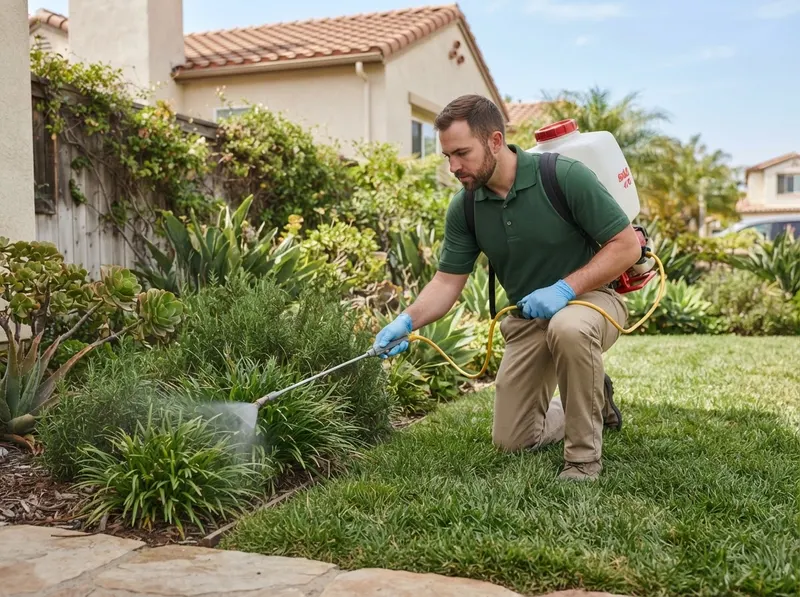
Targeted Flea and Tick Yard Elimination in San Diego, CA

Targeted Flea and Tick Yard Elimination

Western black-legged ticks and cat fleas ride native canyon mammals, including mule deer, desert cottontails, and coyotes, dropping viable adult parasites and fertile eggs directly onto residential turf, shaded flagstone patios, and mulch beds. Comprehensive outdoor remediation focuses specifically on cool, moist perimeter resting zones, decomposed granite walkways, and shaded porch undercrofts using microencapsulated insect growth regulators combined with natural botanical biocides. This specialized formulation halts the chitin synthesis required for flea larvae and tick nymphs to molt into host-seeking adults, effectively breaking the biological vector cycle without washing off during routine lawn sprinkler cycles.

Get a quote →
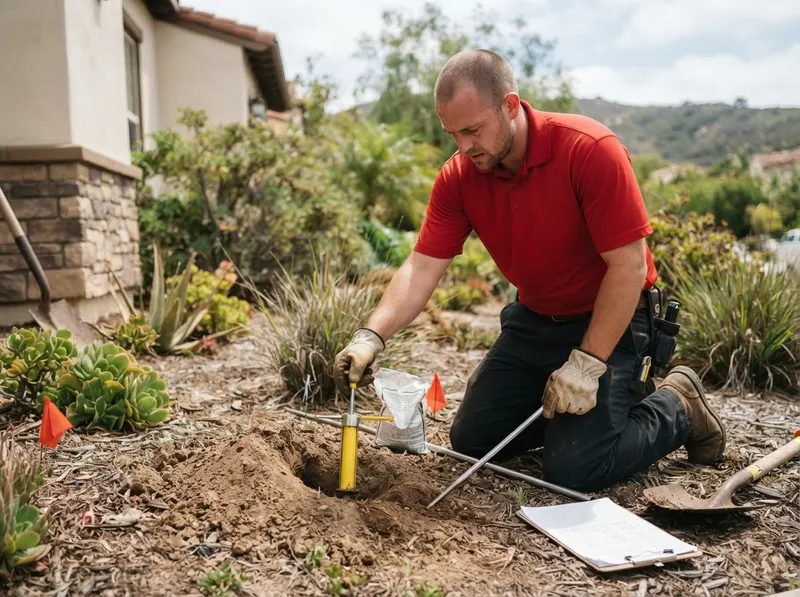
Gopher and Ground Squirrel Subsurface Defense in San Diego, CA

Gopher and Ground Squirrel Subsurface Defense

Botta's pocket gophers and California ground squirrels severely undermine decorative hardscaping, canyon-slope retention systems, and manicured turf grass through extensive underground labyrinth networks. Direct subterranean management relies on mechanical probe mapping to locate high-frequency active travel runways, followed by deep subsurface placement of specialized mechanical traps or pressurized carbon monoxide burrow injection systems. This rigorous method collapses subsurface runway operations directly at the active feeding core without scattering hazardous rodenticide baits across lawn surfaces, protecting pet dogs, cats, red-tailed hawks, and barn owls from fatal secondary exposure.

Get a quote →
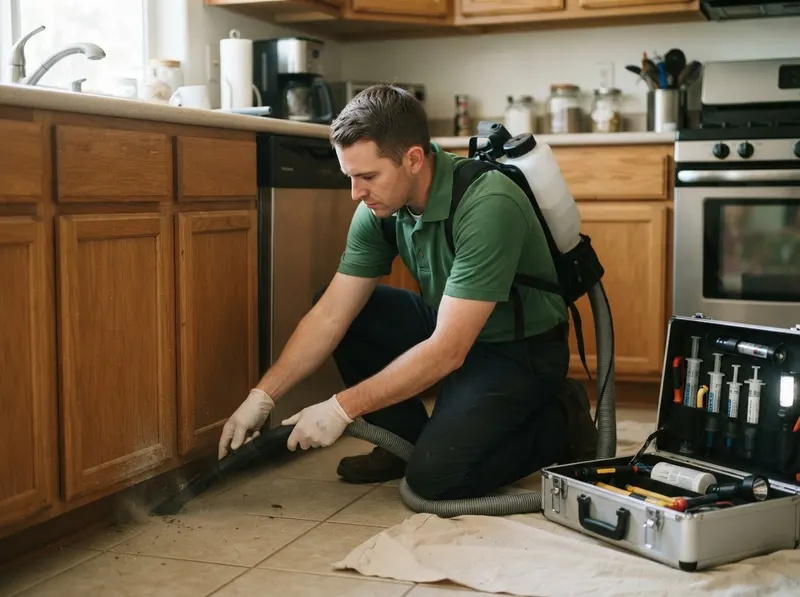
Cockroach Sanitation and Harborage Removal in San Diego, CA

Cockroach Sanitation and Harborage Removal

Oriental cockroaches, commonly referred to as sewer roaches, exploit damp storm sewer tie-ins and water meter vaults to push upward through dry plumbing traps during hot seasonal spells, while German cockroaches colonize interior wall voids behind commercial-grade kitchen ranges and bathroom vanities. Structural remediation pairs insect growth regulators with non-volatile pheromone attractant gel matrixes placed discreetly inside dark cabinet hinges, pipe penetrations, and electrical raceways. The target formulation eliminates breeding adults and sterile nymphs at the moisture nexus, halting population expansion without requiring open-air aerosol sprays over food-handling counters.

Get a quote →
The essentials

What San Diego customers should know

  • An initial diagnostic structural audit and targeted perimeter barrier application begins at the clear baseline minimum of $250, with full-scope structural rodent exclusion or localized termite remediation scaled to building footprint and attic architectural access.
  • Coastal canyons bordering areas like Mission Bay Park, Old Town San Diego State Historic Park, and Torrey Pines State Natural Reserve act as natural biological funnels, directing foraging roof rats, venomous spiders, and Argentine ant supercolonies straight toward foundation weep screeds.
  • Drywood termites fly in massive reproductive swarms during dry Santa Ana heat bursts between September and November, whereas subterranean termite alates emerge from saturated coastal soils following late-winter storm fronts between February and April.
  • Permanent structural rodent elimination mandates the removal of accessible harborages and mechanical sealing using 24-gauge galvanized hardware cloth and copper mesh, deliberately avoiding anticoagulant bait blocks that cause toxic secondary poisoning to native raptors and leave rotting carcasses inside enclosed drywall voids.
  • Customized pest control solutions rely on physical exclusion, structural desiccation dusts, and targeted transfer baits that safeguard domestic pets, preserving native canyon-edge pollinators while halting insect intrusion along perimeter walls.
The Canyon Finch Pest Control standard

Why San Diego keeps calling us back

01

A clear, written price

You get a firm, itemized quote for your pest control service before any work begins, no surprises, no pressure.

02

Your property, protected

Careful prep, tidy work, and a full cleanup when we are done. We treat your home and belongings like our own.

03

One crew, start to finish

The same trusted, background-checked team from the first call to the final check.

Buyer's guide

Choosing the right pest control service pro in San Diego

Selecting the correct pest control protocol depends fundamentally on structural building materials, the reproductive biology of the invading pest, and the property’s physical distance from open canyon slopes. For wood-destroying insect infestations in residential structures, localized liquid termiticide injections into drill-accessed structural members alongside borate mineral coatings work well for isolated, accessible drywood termite galleries in rafter tails, fascia trim, and exterior door casings; conversely, when drywood termite colonies have infiltrated multi-layered tongue-and-groove vaulted ceilings, inaccessible wall plates, or complex subfloor framing, complete whole-structure containment fumigation using sulfuryl fluoride gas remains the definitive standard for guaranteed eradication. The trade-off requires weighing the logistical disruption of vacating a residence for 72 hours alongside full food removal against the permanent, comprehensive knockdown of concealed termite colonies that localized drill treatments cannot physically touch.

25 inches with rigid 24-gauge hot-dipped galvanized hardware cloth and expandable polyurethane mortars, demanding higher initial labor costs while entirely eliminating ongoing recurring baiting contracts. When dealing with ubiquitous Argentine ant invasions across San Diego County, broadcast spraying with fast-acting synthetic pyrethroids yields instantaneous visual knockdown of visible trailing workers, but the underlying stress triggers colony budding, causing multi-queen subterranean nests to fracture and double within wall insulation; utilizing slow-acting non-repellent transfer baits and microencapsulated insect growth regulators deliberately sacrifices rapid 12-hour surface kills, allowing foraging workers 7 to 14 days to distribute lethal doses throughout deep underground brood chambers to permanently collapse the colony core. For moisture-loving subterranean termites moving upward from marine-layer damp soils, topical surface wood treatments will not intercept deep soil colonies; installing subterranean soil barrier trenches treated with liquid termiticides or non-invasive cellulose bait monitoring stations intercepts foraging workers before they construct exploratory shelter tubes up concrete stem walls, trading minimal landscaping disturbance for total subsurface perimeter protection.

Investment

Pest Control Service cost in San Diego

Every project gets a firm, written price after a free on-site visit. Ranges below for orientation.

Comprehensive Initial Inspection & Diagnostic Barrier$250, $385
Localized Termite Injection & Borate Defense Program$425, $1,250
Architectural Rodent Exclusion & Structural Entry Sealing$650, $2,400
Attic Decontamination & Thermal Insulation Replacement$1,800, $4,800
Non-Repellent Argentine Ant Supercolony Remediation$250, $475
Live Honeybee Structural Removal & Cavity Extraction$450, $1,100
Subterranean Gopher & Burrow Trapping Course$350, $750
Crawlspace Moisture Encapsulation & Vapor Barrier$2,200, $6,500
Targeted Flea, Tick, and Perimeter Mite Defense$275, $550
Commercial Kitchen Bio-Drain and Pest Maintenance$250, $425
Free, no-pressure estimate

Get it done right

Tell us about your pest control service job and we'll send a clear, written quote, usually the same day. Or just call and talk to a real San Diego pro.

(858) 742-1511

Get your free pest control service quote, San Diego

We only use your ZIP to check availability, no spam.

Where we work

Areas we serve near San Diego

Canyon Finch Pest Control pest control service team in San Diego, CA

Properties built along the sheer coastal chaparral canyon rims of Clairemont, Scripps Ranch, Point Loma, and Carmel Valley interact directly with unmanaged native wildlife ecologies, making structural exclusion vastly superior to broad exterior liquid spraying. During warm autumn Santa Ana wind conditions, drywood termites swarm out of protected wilderness brush reserves like Torrey Pines State Natural Reserve, Cabrillo National Monument, and Balboa Park, actively targeting unpainted rafter tails, eaves, and weathered cedar siding on classic craftsman, mid-century modern, and coastal bungalow homes. Concurrently, the extensive expanses of expansive clay soils across central San Diego County expand with winter coastal rains and shrink during bone-dry summers, causing structural hairline cracking through concrete slab foundations and opening direct subterranean highways for foraging Argentine ants and subterranean termite colonies. Along Interstate 5, Interstate 8, and State Route 52, natural canyon finger systems funnel nocturnal roof rats and desert cottontails out of coastal brush directly into residential landscaped yards, driving rodents to seek interior water sources at exterior hose bibs, condensate lines, and swimming pool equipment pads. Understanding how regional microclimates diverge between breezy marine-layer environments in Ocean Beach or Pacific Beach and arid, sun-baked inland pockets like Rancho Bernardo allows structural pest remediation plans to account for moisture differentials, thermal roof stress, and native vegetative corridors without relying on toxic broadcast chemical blankets.

North ParkPacific BeachOcean BeachCarmel ValleyRancho BernardoHillcrestLa JollaClairemontScripps RanchPoint Loma
Questions

Common questions

What is the baseline cost for professional pest control service in San Diego?
A complete on-site structural diagnostic inspection, pest identification, and initial targeted barrier application starts at the baseline fee of $250. Final overall pricing scales according to home square footage, attic accessibility, the degree of structural wood damage, and the extent of mechanical architectural sealing required to secure entry points against recurrent infestations. Written, binding estimates are provided following a comprehensive on-site physical evaluation.
Why are canyon-edge homes in San Diego particularly susceptible to rodent invasions?
Canyon-rim properties in neighborhoods like Clairemont, Scripps Ranch, and North Park border natural chaparral and sage-scrub corridors that support large native roof rat populations. During dry summer and autumn months, natural canyon water sources vanish, compelling rodents to follow overhanging tree branches, telephone lines, and fence tops directly to irrigated residential perimeters, where uncapped subfloor vents, crawlspace gaps, and roofline tile openings provide immediate structural shelter.
When do drywood and subterranean termites swarm throughout San Diego County?
Drywood termites swarm during prolonged heat bursts from September through November, particularly on warm, low-humidity afternoons following Santa Ana wind shifts that sweep across the county. Subterranean termites follow an opposing moisture cycle, swarming on warm, sunny mornings immediately following heavy winter rain storms between February and April when outdoor soil temperatures rise above 70 degrees Fahrenheit.
Are structural pest control treatments safe for domestic dogs, cats, and backyard wildlife?
Remediation strategies emphasize physical architectural exclusion, mechanical trapping, and micro-injected botanical-derived or mineral compounds that do not rely on open broadcast poisons. When exterior liquid barrier treatments are deployed, they dry completely within 60 to 90 minutes; once fully cured, treated perimeter surfaces bond tightly to the structural substrate, posing zero transfer hazard to roaming family pets or native bird populations.
Why do store-bought sprays fail to control Argentine ants in San Diego?
Over-the-counter retail sprays rely on fast-acting pyrethroids that act as instant sensory repellents, killing only the visible foraging ants on kitchen countertops. When the subterranean colony detects this localized chemical mortality, it initiates a defensive reproductive survival response known as budding, wherein multiple queens fracture the colony and scatter across structural wall voids, drastically multiplying the ant presence within days. Professional non-repellent transfer baits resolve this by allowing workers to carry active ingredients back to the queens undetected.
What structural signs indicate an active drywood termite infestation?
The most definitive indicator of drywood termite activity is the presence of frass, which consists of tiny, six-sided hexagonal fecal pellets that resemble fine sand or ground coffee pushing out of pin-sized kick-out holes in baseboards, door jambs, or exposed rafter tails. During autumn swarming seasons, homeowners may also discover piles of shed, translucent insect wings collecting along canyon-facing window sills and sliding glass door tracks.
How does structural rodent exclusion differ from ongoing rodenticide baiting?
Rodenticide baiting utilizes exterior plastic bait boxes containing chemical anticoagulants, requiring ongoing monthly maintenance contracts while creating severe secondary poisoning risks for native raptors, domestic dogs, and predatory wildlife when poisoned rodents exit into yards. Structural exclusion is a permanent physical construction service that systematically seals every opening larger than 0.25 inches with heavy 24-gauge galvanized hardware cloth, structural mortar, and copper mesh, permanently preventing rodents from accessing the building without introducing toxic chemicals into the home.
Does homeowner insurance cover termite damage and structural repair in San Diego?
Standard homeowner insurance policies across California universally classify termite infestations, dry rot, and wood-destroying insect damage as preventable structural maintenance issues, specifically excluding these repairs from standard hazard coverage. Because wood destruction develops over extended multi-year periods, the responsibility for mitigation and structural carpentry repairs falls entirely on the property owner, underscoring the critical necessity of annual diagnostic inspections.
How do roof rats gain access to second-story attics on tile roofs?
Roof rats are exceptional climbers that traverse textured stucco, vertical utility conduits, and overhanging eucalyptus or pepper tree limbs to access elevated roof structures. On Spanish or barrel clay tile roofs, the rounded ends of perimeter eave tiles create open 2-to-3-inch gaps known as bird stops; without physical galvanized metal or mortar closures, rodents slip directly beneath the curved tiles, chew through soft roofing felt paper, and enter the attic joist spaces.
What should be done immediately if a feral bee swarm lands on a residential property?
If a transient bee swarm lands temporarily on a tree branch or fence, residents should maintain a minimum buffer of 20 to 30 feet, keep domestic dogs indoors, and observe the cluster without spraying water or retail insecticides. Swarms in transit typically rest for 24 to 48 hours while scout bees search for a permanent hollow; if the swarm attempts to enter a structural void, chimney flue, or irrigation box, an immediate live bee removal specialist must be summoned to vacuum and relocate the colony before honeycombs are constructed within structural framing.

Get started today

Free estimates for San Diego & the surrounding area.

Helpful resources

Trusted references & local links

USA.gov, government & consumer helpBetter Business BureauFTC Consumer AdviceU.S. Small Business AdministrationReady.govU.S. EPAENERGY STARU.S. Dept. of EnergyConsumer.govU.S. Census BureauGoogle Maps, San Diego, CA

San Diego Pest Control Service guides

How Much Does Professional Pest Control Service Cost in San Diego?, Complete Guide →How often should pest control treatment be done for San Diego homes?, Complete Guide →What is the average cost of drywood termite treatment in San Diego?, Pricing Guide →Pest Control Service →